February 3, 2025
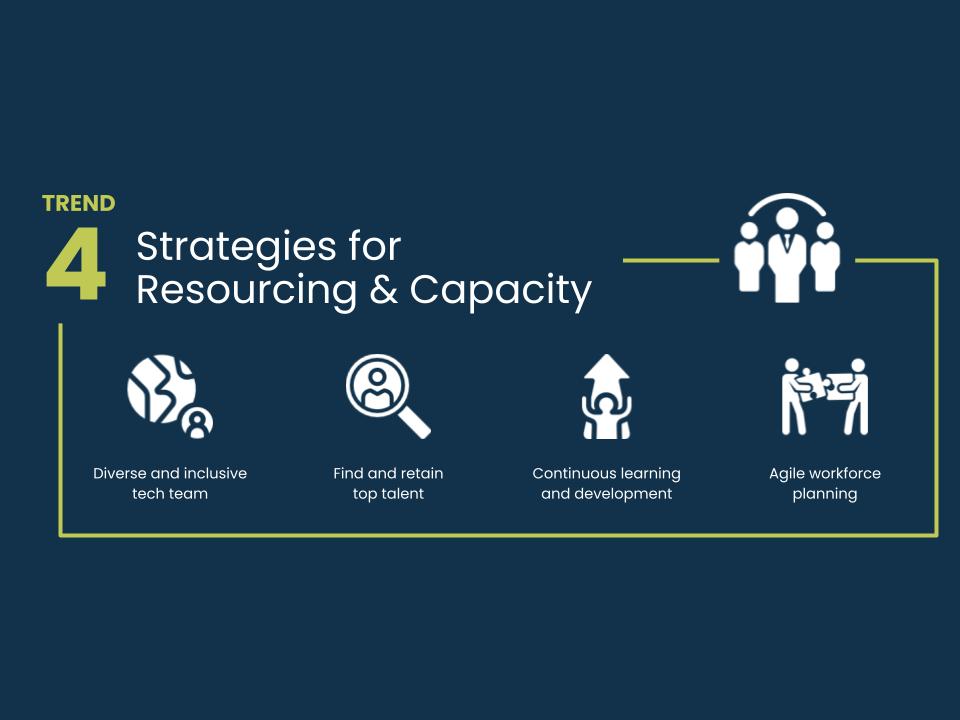
Strategic workforce planning is a systematic approach used to align your workforce with your organization’s strategic goals. It involves analyzing your current workforce, identifying future talent needs, and developing action plans to bridge any gaps. By implementing a strategic workforce plan, organizations can:
- Improve operational efficiency: Have the right people with the right skills in the right roles to meet current and future demands.
- Enhance succession planning: Identify and develop future leaders to ensure a smooth transition when key roles become vacant.
- Increase employee engagement: Provide employees with clear career paths and development opportunities.
- Boost organizational agility: Adapt quickly to changing business needs by having a talent pool ready to fill new roles.
Key Components of Strategic Workforce Planning
As you begin your strategic workforce planning journey, it’s crucial to define your “why” – the reasons behind this initiative – and your “what” – the specific goals you aim to achieve. With a clear understanding of your purpose and desired outcomes, you can start building the core elements of your workforce plan. Let’s explore some of these key components:
1. Job Family Frameworks
Job family frameworks provide a structured way to organize your workforce based on the nature of the work performed. This framework groups roles that perform similar functions or serve the same core purpose together, allowing for easier talent management and development. For example, a “Project Management” job family might include roles like project manager, project coordinator, and program manager. These roles, while all focused on project success, might be spread across various departments within an organization, such as IT, Operations, or Finance.
Job families can sometimes mirror departmental structures, especially in organizations with clearly defined functional areas. However, they don’t have to. The key difference is that job families are fundamentally based on the core purpose of the roles, not necessarily the department they reside in. This allows for a more strategic view of talent, focusing on shared skills and career paths rather than siloed departmental structures.
To effectively implement job family frameworks, consider the following questions:
- How many job families and sub-families best fit your organization’s needs? The number will depend on the size and complexity of your organization. Start with a broad analysis of your roles and then group them into logical families and sub-families.
- How many job levels will you define? This will help differentiate roles based on experience, seniority, and responsibilities.
- Will you develop different career tracks within your job families? This allows for specialized growth paths and caters to diverse employee aspirations.
2. Competency Architecture
A competency architecture defines the knowledge, skills, and abilities (KSAs) required for success in each role within your organization. This framework helps identify skill gaps and provides a foundation for talent development initiatives. For instance, a “project manager” role might require competencies like communication, problem-solving, and risk management.
To develop a comprehensive competency architecture, consider the following questions:
- What are your competency categories? Group competencies into meaningful categories (e.g., leadership, technical, core) to organize and streamline your framework.
- How does the competency architecture align with the organization’s strategic documents? Ensure the competencies reflect the organization’s strategic goals, core values, and leadership frameworks.
- How many competencies will be defined per category? Aim for a balance between comprehensiveness and manageability. Too few may oversimplify roles, while too many can be overwhelming.
- What is the proficiency scale for competencies? Establish clear levels of proficiency (e.g., 1-beginner, 2-intermediate, 3-advanced) to assess employee skills and guide development efforts.
- Are these proficiency levels tied to pay, and if so, how? Consider how competency proficiency might influence compensation decisions, pay-scales, and/or collective bargaining agreements, creating a clear link between skills and rewards.
- How will the competency architecture be used in performance management and development? Define how managers will use competency profiles for performance reviews, development plans, and succession planning.
Looking Ahead: Building Career Pathways
Once you have a solid foundation for your job family framework and competency architecture, you can start thinking about developing career pathways for your employees. Career pathways provide a clear understanding of potential career progression within the organization. These pathways can be vertical (promotions), horizontal (lateral moves), or diagonal (advancement to a different functional area).
Developing effective career pathways takes time and careful consideration. It can be a multi-year process that involves:
- Identifying synergies between roles and competencies
- Determining thresholds for career progression
- Creating interactive tools and resources for employees
- Validating pathways with managers and conducting training to support change management
By offering well-defined career paths, organizations can increase employee engagement, retention, and overall job satisfaction. Remember that career pathways are a long-term investment that requires ongoing refinement and adaptation to meet the evolving needs of both the organization and your employees.
Getting Started with Strategic Workforce Planning
Implementing a strategic workforce plan might seem daunting, but it doesn’t have to be. Here are some key initiatives to get you started:
- Define your vision and goals: Clearly articulate why you’re undertaking this initiative and what you hope to achieve.
- Gather the right team: Assemble a dedicated team with the necessary skills and availability to support the planning process.
- Analyze your current workforce: Assess your existing talent pool to identify strengths and weaknesses.
- Develop an action plan: Create a roadmap with specific steps and timelines for developing your strategic workforce plan.
Strategic workforce planning is an ongoing process that requires continuous monitoring and refinement. By embracing this approach, organizations can ensure they have the right talent in place to achieve their strategic objectives and thrive in the ever-changing business world.
Want to learn more about strategic workforce planning? We’ve created a series of videos, providing practical examples and expert insights about this. Watch the first video in the series and start building your future-ready workforce today!